
In a direct challenge to the Biya Biya regime, opposition leader Issa Tchiroma Bakary has issued a decree from hiding, appointing a spokesperson for what he terms his “elected presidency” after previously issuing 48-hour ultimatum for the release of all those arrested in post-election protests.
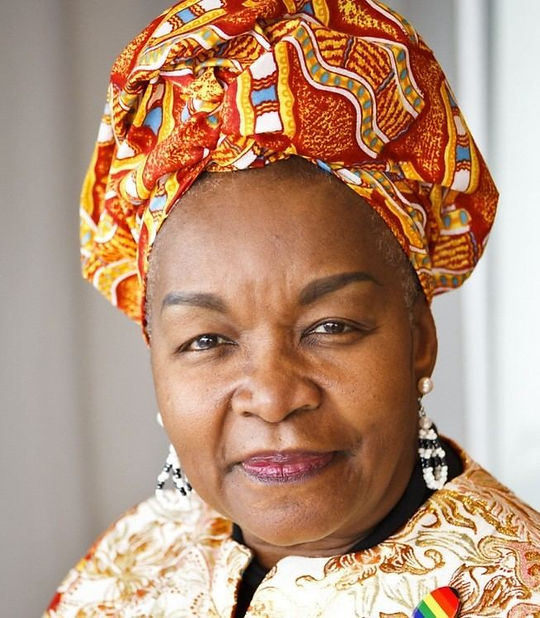
The decree, dated November 17, designates the prominent human rights lawyer and civil liberties defender, Alice Nkom, as the Official Spokesperson for the President-elect of the Republic of Cameroon. The document states that Nkom is now authorised to speak on behalf of the President-elect and represent his positions in institutional, diplomatic, and media exchanges.
This move escalates a tense political standoff that has gripped the nation since the October 12 presidential election. The official results, proclaimed by the Constitutional Council on October 27, declared the 92-year-old incumbent, Paul Biya, the winner with 53.7% of the vote, extending his 43-year rule. Tchiroma Bakary, a former minister in Biya’s own government, was officially placed second with 35.2% but had already declared himself the victor, alleging widespread electoral fraud.
Ultimatum and Call for “Self-Defence”
Since the official proclamation, Tchiroma Bakary has been operating from hiding. On November 9, he issued a 48-hour ultimatum to the Biya regime, demanding the immediate and unconditional release of all individuals detained since the elections. He warned that if his demand was not met, the Cameroonian people would “find themselves in a situation of self-defence.” This statement has been interpreted as a call for popular resistance, significantly raising the stakes in the ongoing crisis. The deadline for this ultimatum has now passed.
Tchiroma’s ultimatum comes in the context of a severe government crackdown. According to Human Rights Watch, Cameroonian authorities responded to widespread opposition-led protests with lethal force and mass arrests. International media, citing UN sources, reported that security forces killed at least 48 people during protests across Cameroon, while opposition sources put the death toll at 55. Furthermore, a pool of nearly 150 lawyers formed to provide pro-bono assistance estimates that up to 2,000 people have been detained, including several minors. Charges cited by lawyers include “hostility against the homeland,” “insurrection,” and “rebellion,” some of which can carry the death penalty.
Tchiroma Bakary’s journey from government insider to President Biya’s chief rival is a dramatic political shift. He once served as Biya’s Minister of Communication and the government’s official spokesperson, resolutely defending the administration’s actions. However, in June 2025, he dramatically broke ranks, resigning from the government and announcing his presidential candidacy, accusing the president of being out of touch. During his campaign, he attracted large crowds and even apologised for his previous role as government spokesperson, particularly regarding the military’s actions in the Anglophone crisis.
The situation presents two entirely conflicting narratives. The official position, held by the Biya government, is that Biya legitimately won the election and was sworn in for an eighth term on November 6, and that the government is managing post-election unrest. In contrast, the challenger, Tchiroma Bakary, maintains that he is the legitimate “President-elect,” having won approximately 55% of the vote, and is now operating from hiding to establish a parallel executive in the face of what he calls a violent crackdown.
The appointment of Alice Nkom is the latest move in a high-stakes struggle for power whose resolution remains deeply uncertain.