By Tandong Calistus Jong
Addis Ababa, Ethiopia
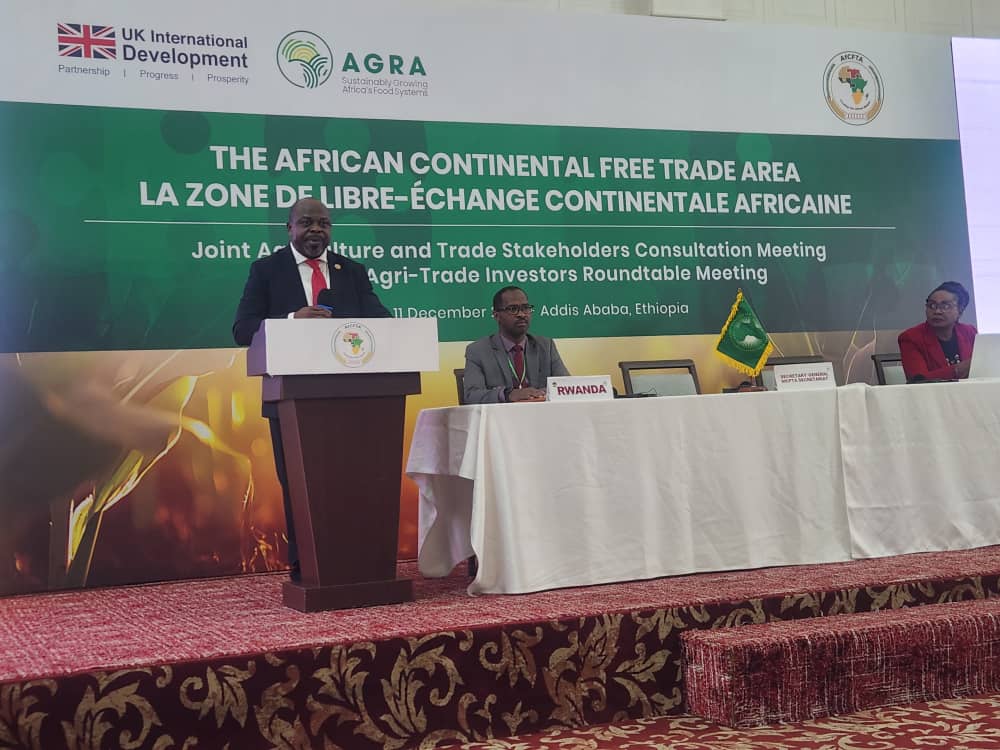
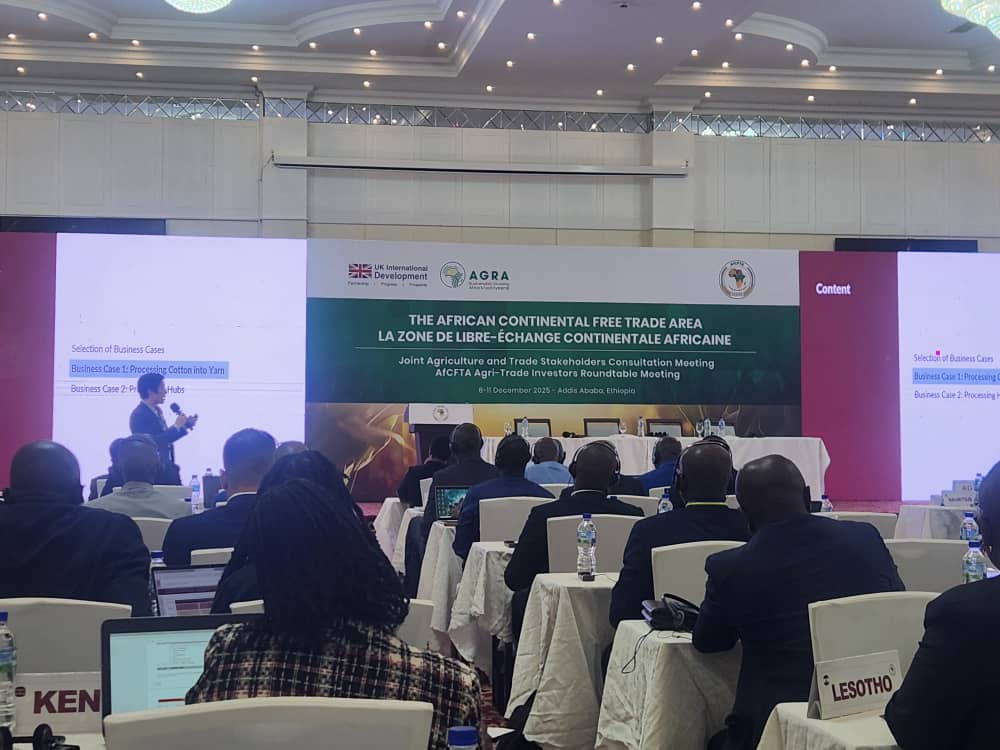
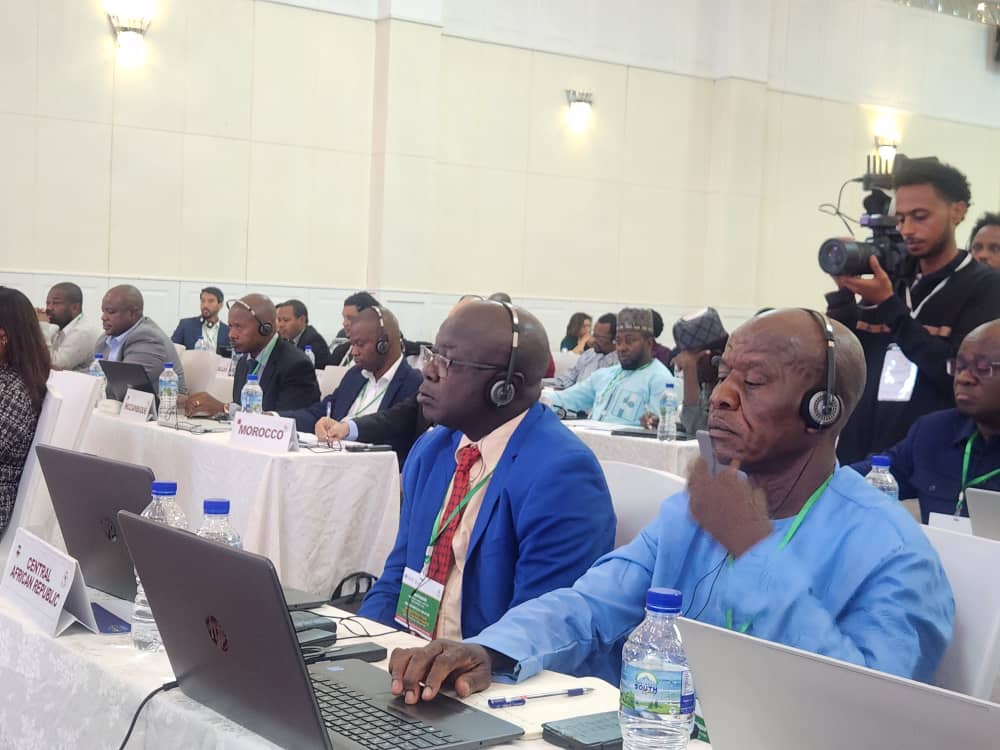
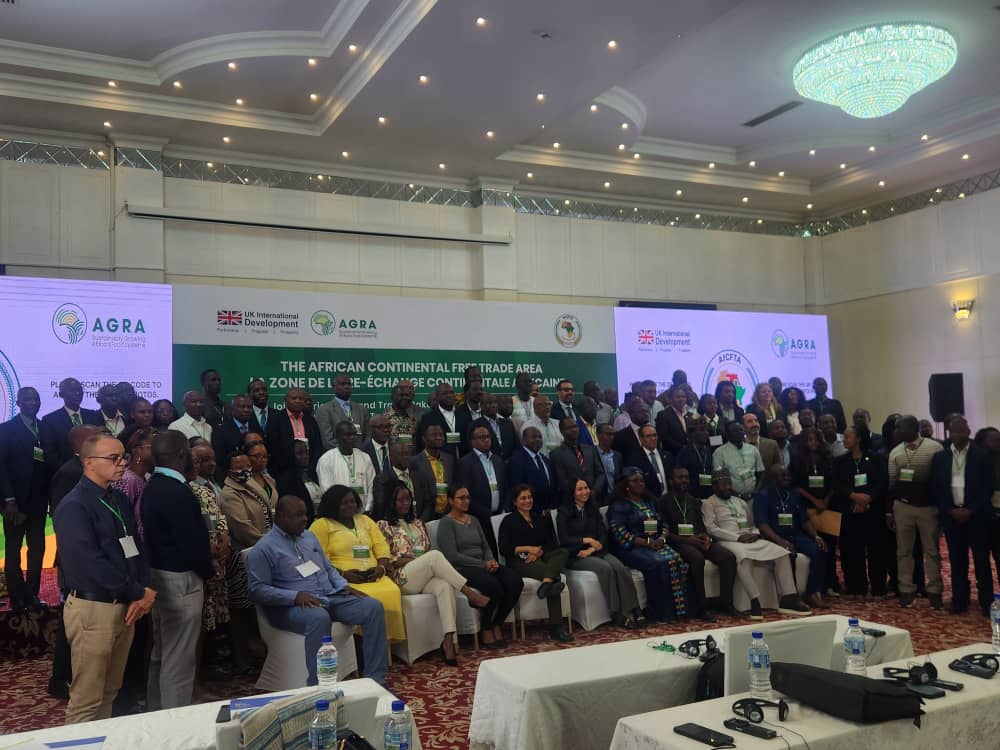
The Action Plan was validated during a joint meeting of agriculture and trade stakeholders from December 8th to 9th, 2025, in Addis Ababa, Ethiopia. This two-day gathering brought together senior technical officials from the Ministries of Trade and Agriculture of AfCFTA State Parties, Regional Economic Communities, Private Sector and development partners to review and validate the Agri-Food Trade Action Plan. This comprehensive framework is designed to advance the agricultural trade dimension of the AfCFTA, focusing on promoting intra-African agri-food trade, strengthening regional value chains, and supporting agro-industrial transformation. This collaborative effort between the African Continental Free Trade Area, AGRA, and UK International Development aims to strengthen cross-sectoral coordination by engaging focal points from Ministries of Agriculture and Trade to build joint ownership and deepen integration of the Plan at national and regional levels.
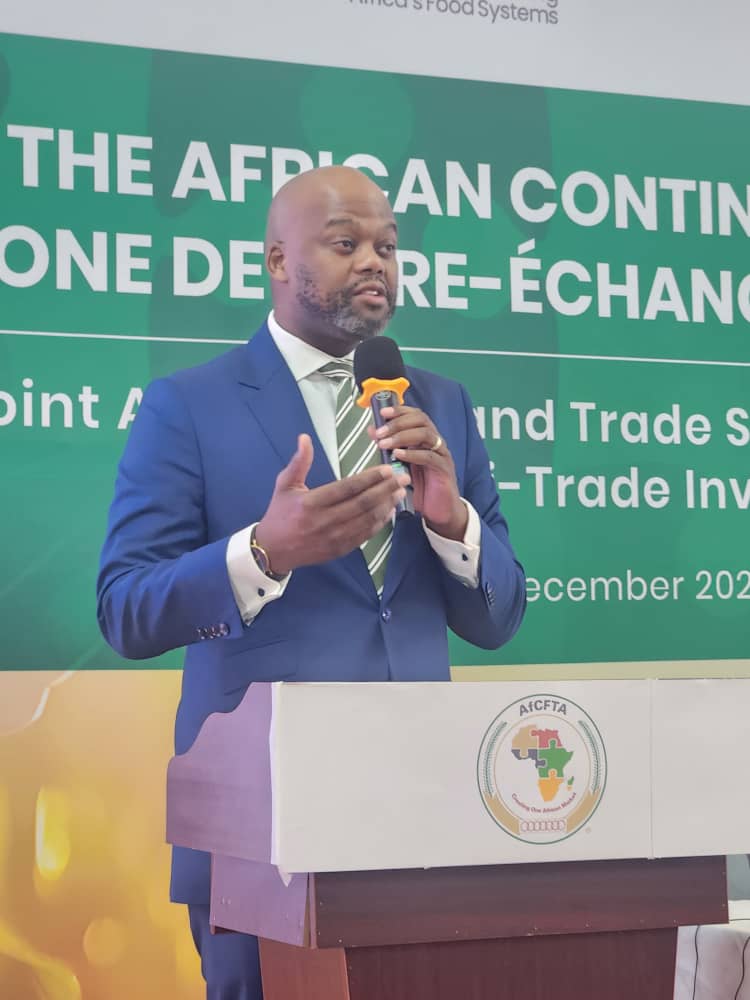
Opening the meeting on Monday, H.E. Wamkele Mene, Secretary-General, AfCFTA Secretariat noted that this revised Agri-Food Trade Action Plan is not an abstract framework, but it is a practical tool designed to connect Africa’s production potential with Africa’s markets. It identifies strategic value chains where Africa holds clear comparative advantages and outlines the reforms needed to unlock them, including reducing non-tariff barriers, harmonising standards, improving border efficiency, and investing in trade related infrastructure. And that effective implementation will require close coordination between the Ministries responsible for trade and those responsible for agriculture, together with the Regional Economic Communities, private sector and strong alignment between the policy levers that govern production and the policy levers that govern trade.
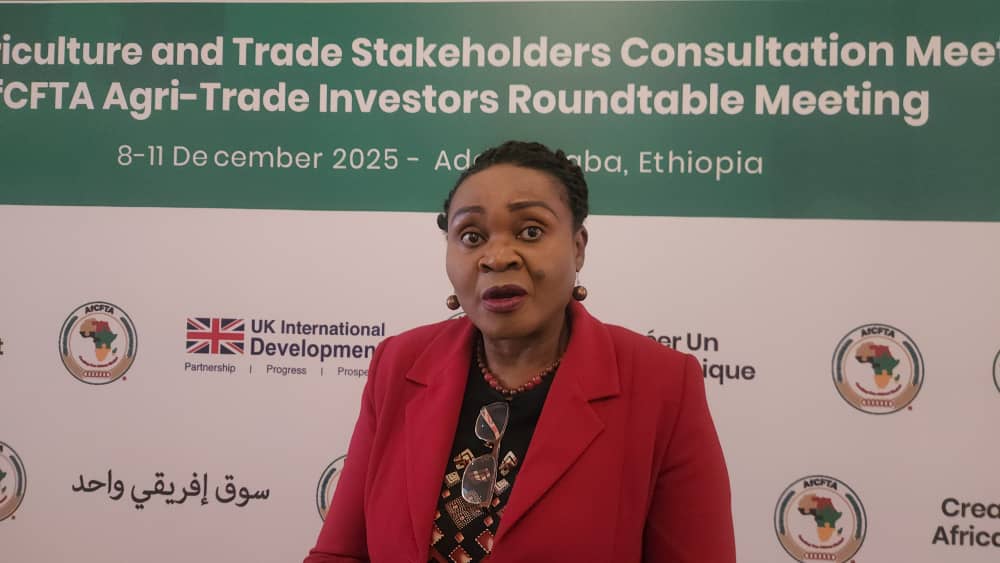
The Joint Consultation does highlight the escalating recognition of the interdependence of agriculture and trade. “By assembling representatives from both sectors, we foster a unified approach, thereby enhancing the coherence required for effective implementation”, said Dr. Janet Edeme, Head of Agriculture and Rural Development, Department of Agriculture, Rural Development, Blue Economy, and Sustainable Environment of the African Union Commission.
Dr. Alexis KABAYIZA, Chief Technical Advisor in the Ministry of Trade and Industry, Republic of Rwanda, emphasized that collaboration between agriculture and trade communities at national, regional, and continental levels is essential. He noted that shared success depends on coordinated actions guided by private-sector realities and data-driven solutions. Dr. KABAYIZA reaffirmed Rwanda’s readiness to continue championing this agenda and working with all African Member States to translate the Action Plan into tangible gains for farmers, SMEs, processors, and consumers across Africa. Notably, Rwanda is the championing country in this process.
Sanitary and Phytosanitary (SPS) issues continue to play a significant role in achieving continental commitments and strategies such as the African Union Agenda 2063 and the Comprehensive Africa Agriculture Development Programme (CAADP) Framework that promotes Agriculture transformation to improve livelihoods on the African continent. Despite its adoption, the AU SPS Policy Framework, SPS implementation in Africa remains lagging. The low level of awareness on the Africa SPS framework at the national and regional levels impedes effective SPS domestication and implementation, resulting in food borne disease, pest inversion, reduced productivity, and market access loss. Furthermore, limited knowledge management, advocacy, and communication on SPS measures impede information and awareness dissemination among stakeholders, resulting in low compliance and inadequate support for SPS measures. The implementation of SPS measures has become an important precondition for access to global food markets, and increasingly, for high-value domestic markets in Africa. It’s therefore pertinent to create the required awareness and communicate effectively about the planned and ongoing SPS measures put in place by various players on the global market.
The African Union (AU) has adopted the AU Sanitary and Phytosanitary (SPS) Policy Framework, providing a comprehensive approach to addressing challenges confronting the continent’s SPS coordination mechanisms. The AU is actively implementing SPS-related activities and initiatives to enhance SPS measures crucial for facilitating intra-regional trade on the continent. SPS measures are vital for safeguarding human, animal, and plant health, ensuring food safety, and facilitating trade. These measures aim to prevent the spread of diseases, pests, and contaminants while facilitating the safe trade of agricultural and food products.