
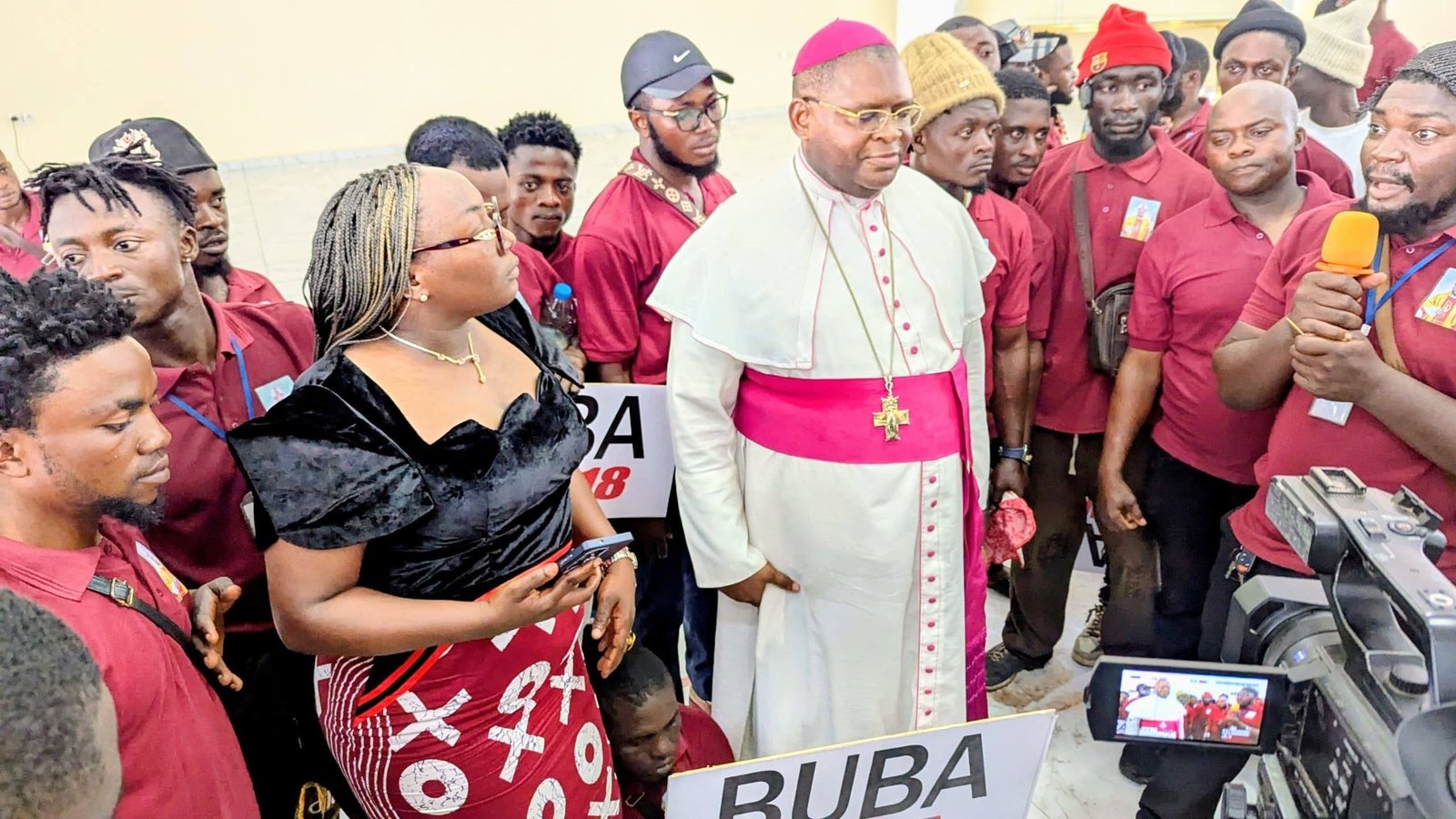
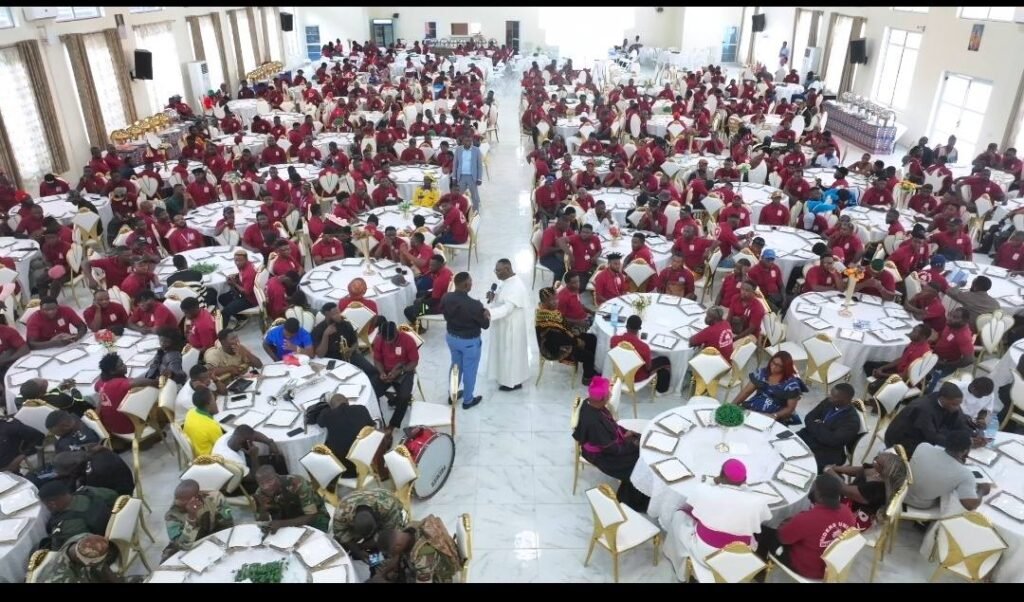
Hundreds of commercial motorbike riders from across Fako Division gathered in Buea on Wednesday, May 13, for a special thanksgiving Mass and peace engagement led by the Catholic Diocese of Buea, in an event that highlighted the riders’ contribution to society while calling on them to become ambassadors of peace and responsibility amid the ongoing crisis in the Northwest and Southwest Regions.
The event, organised at the Divine Mercy Co-Cathedral in Molyko under the leadership of Bishop Michael Bibi, brought together riders from Buea, Muyuka, Limbe, Tiko, Mutengene, Bafia, Ikata, Munyenge and other communities across Fako Division.
Celebrated on the Memorial of Our Lady of Fatima, the Mass served both as a thanksgiving for protection on the roads and a platform for reflection on peace, justice and responsible citizenship.
In his homily, Bishop Bibi praised the role bike riders play in society, insisting that their work should not be looked down upon.
“I want to tell you that you are important in God’s eyes. I want to tell you that the work you do is very important as far as our society is concerned,” the Bishop told the riders.
He noted that commercial riders are often mentioned only in connection with accidents or disorder, but stressed that society rarely acknowledges the sacrifices they make daily to sustain families and support communities.
“When I look at the bike riders, I see fathers struggling to make ends meet, to feed their children, young people working hard to earn a living. I see people helping to transport patients, students and members of the community,” Bishop Bibi said.
The Bishop urged riders to remain thankful to God for surviving accidents, illnesses and other hardships linked to their profession. At the same time, he cautioned them against reckless riding, drug abuse and irresponsible behaviour.
“The bike can help, but it can also harm,” he warned. “Please don’t be reckless, don’t over-speed, because it can lead to the loss of lives when not done responsibly. See Jesus in every passenger you transport.”
Bishop Bibi also used the occasion to call for prayers and genuine commitment towards peace in the conflict-hit Northwest and Southwest Regions.
“There can be no peace without justice,” he declared, urging people to speak the truth and pursue justice as necessary conditions for lasting peace.
He further condemned the abuse of tramadol and other stimulants among some riders, warning that drugs impair judgment and increase the risk of accidents.
“Drugs make us excited and when we are excited we can do things that endanger our lives and the lives of our brothers and sisters,” he said.
Following the Mass, activities continued at the Aunty Kate Banquet Hall of the Bishop Pius Awa Memorial Pastoral Centre, where the Director of the Justice and Peace Commission of the Diocese of Buea, Joyce Mbong, held an interactive session with the riders on peacebuilding, civic responsibility and community engagement.
Addressing the gathering, Joyce Mbong challenged the riders to see themselves not merely as transporters but as important actors in promoting peace and social stability within their communities.
“This region cannot function without bike riders,” she said. “Every day, you carry children to school, help sick people reach hospitals, take workers to their jobs and help mothers go to the market. Many homes survive today because of bike riders.”
She stressed that bike riders possess enormous influence because of their constant interaction with communities across the region.
“You can either spread fear or spread peace. You can become part of the problem or part of the solution,” she told them.
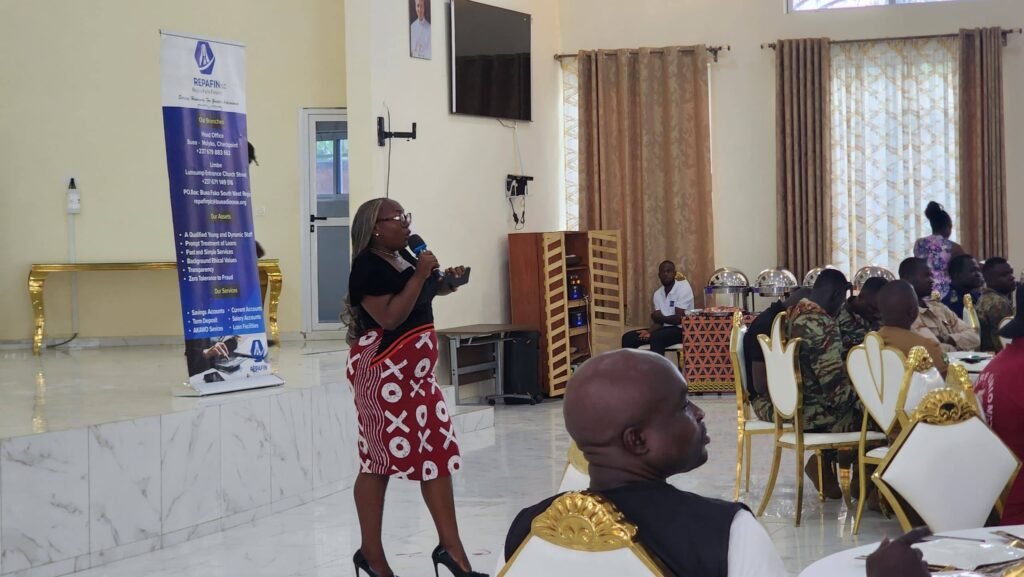
Joyce Mbong urged the riders to reject violence, drug abuse and indiscipline while embracing responsibility, discipline and peaceful coexistence.
“Let bike riders in Fako become known not only for transportation, but also as ambassadors of peace,” she urged them.
One of the highlights of the interaction was the openness displayed by the riders, who shared concerns ranging from harassment and difficulties in obtaining identification documents to the lack of legal authorisation in some areas.
In response, Bishop Bibi reaffirmed the Church’s commitment to continue accompanying the riders through pastoral care, dialogue and civic education initiatives.
According to organisers, the Diocese, through its Justice and Peace Commission and the Bike Riders’ Chaplaincy, plans to launch continuous sensitisation and formation sessions focused on peacebuilding, anti-drug campaigns, human rights, discipline, conflict prevention and community responsibility.
The initiative is also expected to lead to the creation of a “Bike Riders Champions for Peace Network in Fako”, aimed at promoting responsible citizenship and positive leadership among commercial riders.
The event ended with riders taking a public pledge to reject violence and drugs, protect human life, respect passengers and contribute to peace within their communities.