
By Emmanuela Siy
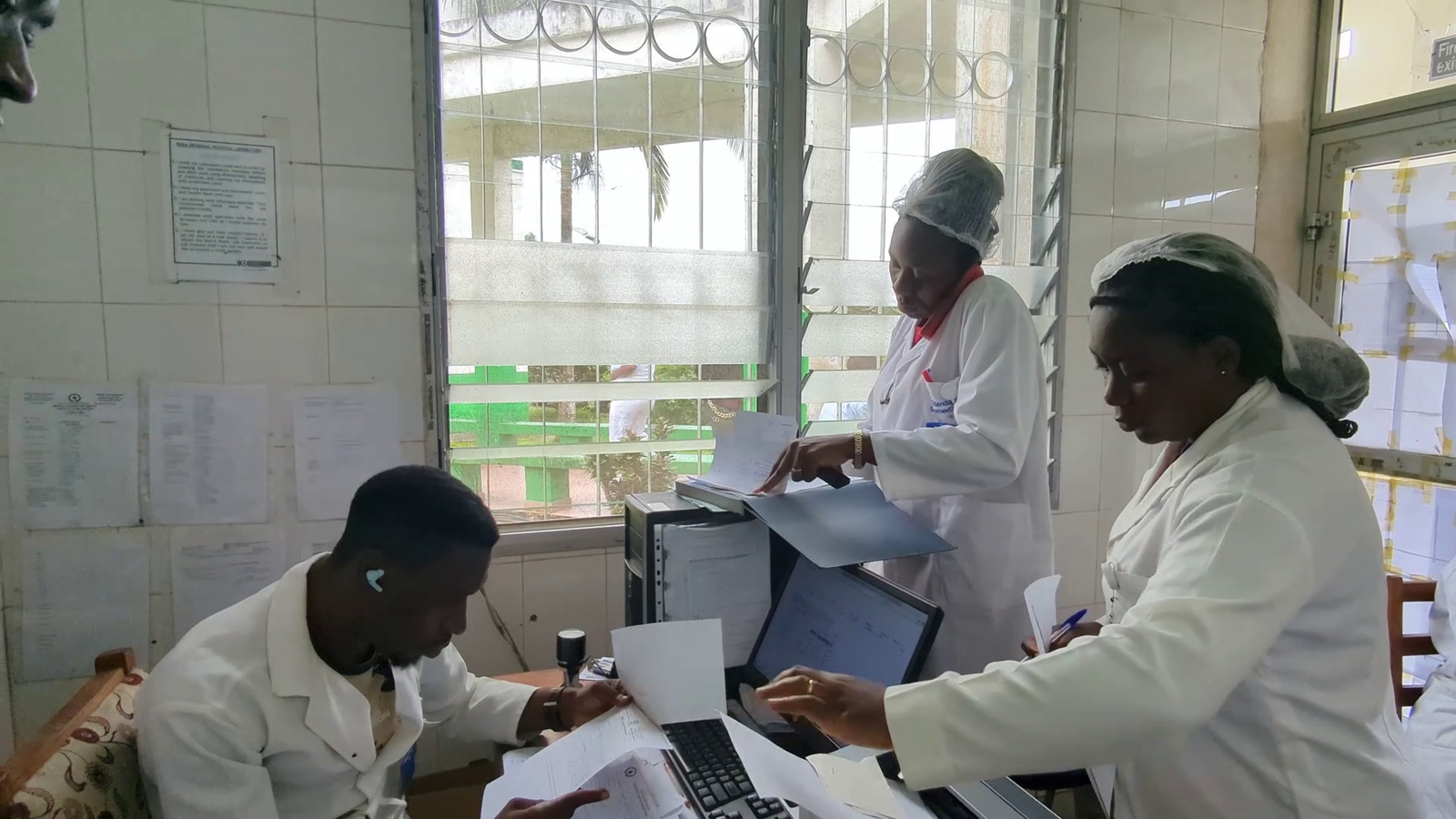
As demand for healthcare professionals intensifies, women in the sector face the significant challenge of balancing their professional responsibilities with home life. This delicate juggling act has become increasingly complex, involving their careers, family obligations, and personal well-being, all while they exemplify resilience and adaptability.
Women make up a significant portion of the global healthcare workforce, often in roles that require long hours and considerable emotional labour. According to the World Health Organization (WHO), they represent approximately 70% of the global healthcare force, including nurses, midwives, surgeons, laboratory technicians, and administrative staff. Despite their vital contributions, many find themselves stretched thin, managing the intense demands of their jobs alongside domestic responsibilities.
“It is really challenging,” explains Dr. Ebey Tatianna. “I am a wife, a student, a nursing mother, and a doctor. Most often, I feel I have to measure myself against my male colleagues. There are days I make it to work early, but on others, a child might be sick or there is a domestic emergency, and I am late. When that happens, I am scolded or even penalised. But I love my job. When I am with a patient and know I am improving their health, when they recover, it brings me joy and excitement.”
To manage this balance, many women in health rely on various coping strategies. Flexible work arrangements, such as remote work or adjusted shifts, have become essential, allowing professionals to tailor their hours to family needs. “Nursing mothers who work with us need to go home early for their children,” noted Dr Mokake Martin. “They start at 8 a.m. and finish by 2:30 p.m.”
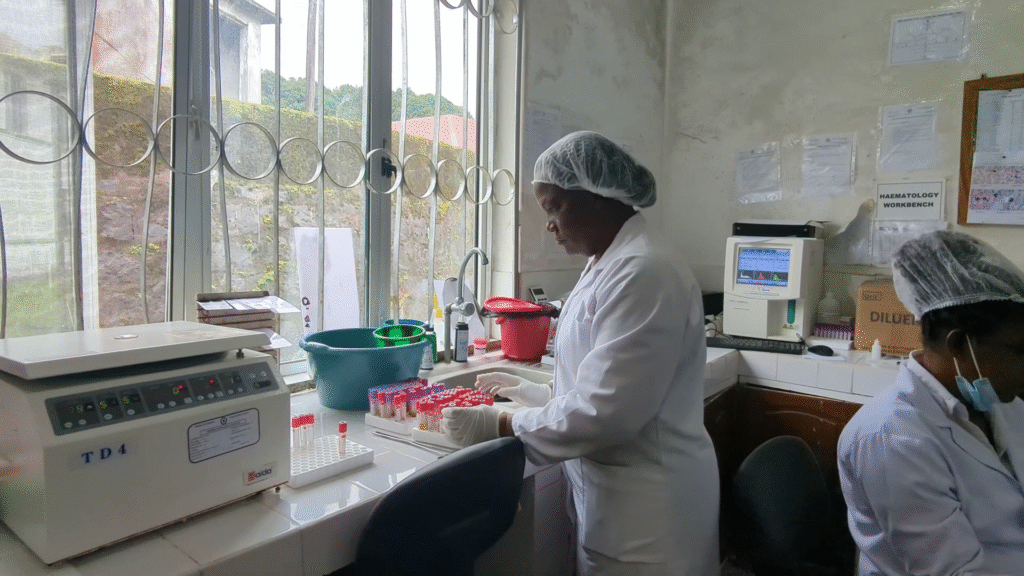
Ayah Flora Bolimo, a laboratory scientist at Buea Regional Hospital, explains that her workload has increased over time, compounded by her changing status as a married mother of three. Yet she is adapting to these challenges. “It has become increasingly demanding because when I started working, I was single and had no family commitments. Now, with a family and three children, it is much more challenging. But I love what I do, and that gives me the drive to forge ahead,” she said.
In the dynamic world of healthcare, women are not only vital care providers but also pillars of support for their families. “I think female doctors are the best, so far,” observed Dr Lyonga Emily. “They are caring; women have a tender heart and tend to care more for their patients.”
As they navigate the complex balance between professional and domestic responsibilities, it is clear that systemic support is crucial, as prolonged challenges can lead to stress and burnout. Ultimately, women in healthcare are negotiating a complex and often demanding landscape as they strive to fulfil both their professional commitments and family duties.
Therefore, investing in the well-being of women in healthcare is not merely a matter of equity; it is fundamental to delivering quality care and safeguarding the health of the entire community.