
A new academic study has shed light on the perilous environment facing journalists in Cameroon, using the brutal 2023 killing of renowned radio director Martinez Zogo as a case study. The research, published in the Adom Social Science and Humanities Journal, not only details the grave risks reporters face but also reveals the significant and often overlooked role journalists’ trade unions have played in demanding justice and pushing for democratic reform.
The article, titled “Probing into the Vibrancy of Journalists’ Trade-Unions in a Competitive Authoritarian State,” was authored by Floribert Patrick C. Endong of the University of Dschang and Isidore Agem Abah of the University of Buea. It confirms what many in the profession already know: Cameroon remains “a dangerous place for journalists,” where threats, arbitrary arrests, and even assassination are used to silence those who report on powerful interests.
The gruesome murder of Martinez Zogo, director of Amplitude FM, in January 2023 sent shockwaves across the nation and the world. Early investigations pointed to the involvement of high-profile figures, including a media mogul and members of the country’s intelligence services. As the study notes, the killing was widely seen as sending “a chilling message to all other journalists.”
However, in the wake of this tragedy, the study’s authors found that journalists’ unions, such as the Cameroon Journalists Trade Union (CJTU) and the Cameroon Association of English Speaking Journalists (CAMASEJ), mobilised in unprecedented ways. Rather than remaining passive, these syndicates employed a three-pronged strategy to pressure the government.
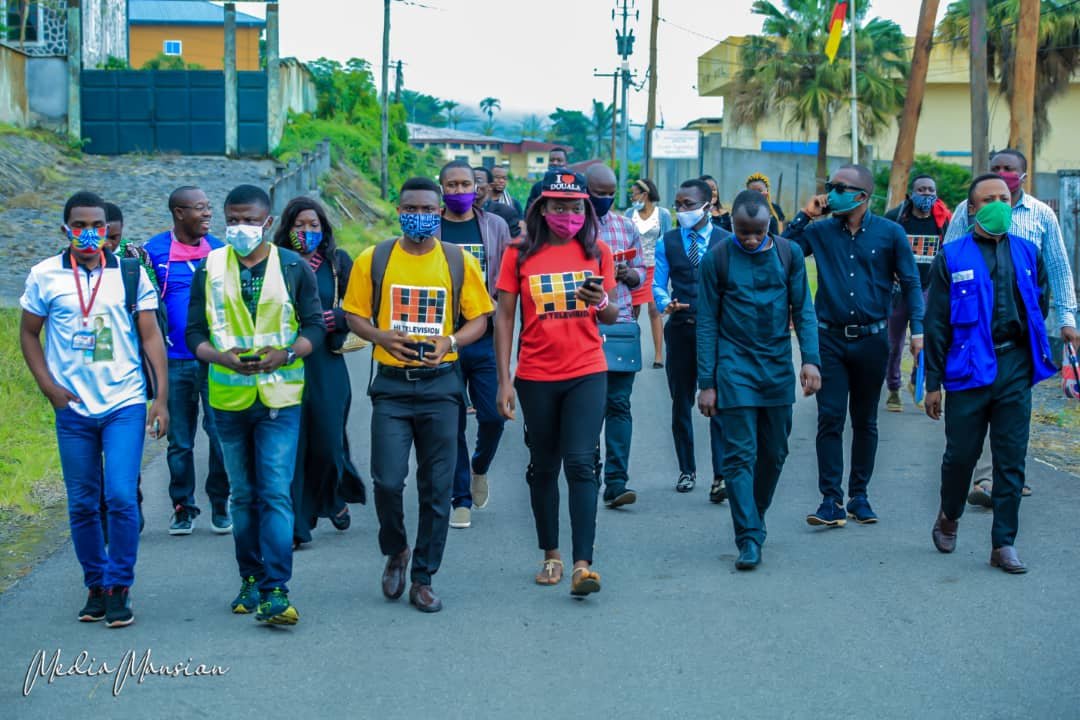
First, they used the Zogo case to resurrect the memory of other unsolved killings, most notably that of journalist Samuel Wazizi, who died in state custody in 2019. Second, they organised public demonstrations, mourning days, and tributes, forcing the case to remain at the top of the national agenda. In one notable action, the CJTU declared a day of mourning, instructing journalists to dress in black and deliver position statements to governor’s offices.
Crucially, the unions sought to “woo the international community,” forming alliances with bodies like the International Federation of Journalists (IFJ). This strategy paid dividends, generating a viral #MartinezZogo movement on TikTok and attracting intense coverage from major international media like France’s Le Monde, which speculated on potential political motives behind the killing. This global pressure, the study argues, pushed the government to react and pledge transparent investigations.
The authors conclude that while Cameroonian journalists’ unions may not be as powerful as their Western counterparts, they are far from the “lukewarm entities” described in some theories about authoritarian states. Their activism has forced a national debate on judicial independence and the safety of media workers.
“Journalists’ trade unions might not be as well organised and vibrant as their counterparts from the Western world; yet they do contribute in no small measure to the democratisation process in Cameroon,” the study states.
The research calls for greater solidarity among Cameroonian journalists, stronger cooperation with foreign unions, and even suggests instituting a national day to mourn journalists killed in the line of duty.
As the nation continues to await the final judicial outcome of the Martinez Zogo case, this study serves as a stark reminder of the immense pressures faced by the press, and the growing resolve of journalists to fight for their rights, for the truth, and for justice.