
The Post newspaper’s former Desk Editor, Dr Abah Isidore, has warned that government neglect, poor funding, restrictive laws and a declining reading culture are threatening the survival of Cameroon’s print media industry, according to findings from his doctoral research defended at the University of Buea.
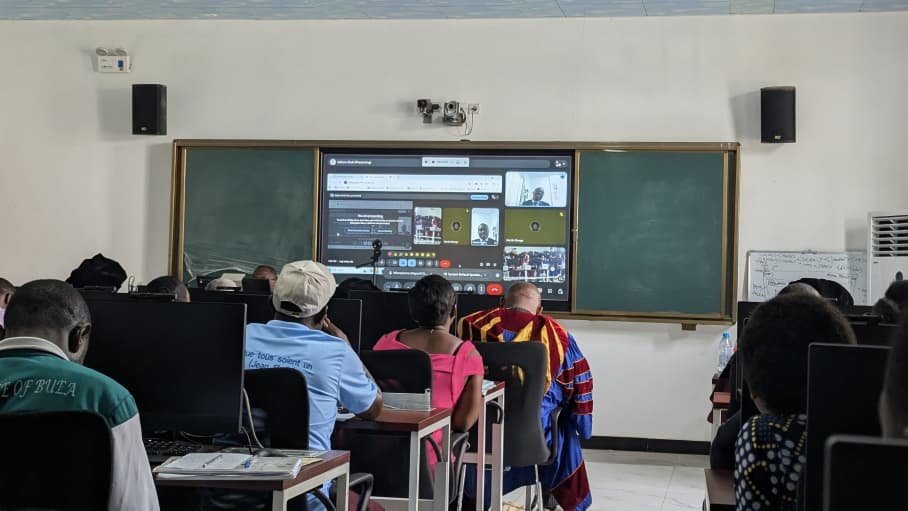
Dr Abah made the observations during the defence of his PhD thesis in Mass Communication on May 9 at the Department of Journalism and Mass Communication, JMC, where he earned an A grade. His defence also marked a historic milestone for the department, becoming the first PhD thesis defence conducted online, with the candidate presenting from abroad.
The research focused on the political economy of the print media in Cameroon and examined the major challenges confronting newspapers as they struggle to survive in an era increasingly dominated by online journalism, citizen reporting and rapidly changing audience habits.
Drawing from interviews conducted with eight newspaper publishers across the country, the study painted a troubling picture of the realities facing newspaper organisations in Cameroon.
According to the findings, ownership and funding structures play a significant role in shaping journalism practice and editorial content within the country’s media landscape. Dr Abah observed that financial dependence and political interests often influence how information is framed and disseminated to the public.

The study found that state-owned media institutions are frequently characterised by praise-singing, propaganda, partisan reporting and personality cults. According to the research, such practices are often fuelled by journalists seeking career advancement, political appointments or favour from authorities.
While the private press was found to play a more critical and watchdog role, the study equally noted that some privately-owned media outlets also struggle with bias and financial pressures that affect objective reporting.
Beyond editorial influence, the study identified several structural challenges threatening the survival of the print media sector. Among the most pressing concerns raised by publishers interviewed were restrictive media laws and regulations, inadequate funding, poor advertising support, low purchasing power among readers and a weak reading culture.
Dr Abah argued that these conditions have made it increasingly difficult for newspaper publishers to sustain operations, retain qualified staff and maintain professional standards.
The research further concluded that government policies and attitudes toward the media have contributed significantly to the sector’s difficulties. According to Dr Abah, the findings support earlier observations by media scholar Francis Nyamnjoh that the government appears more interested in politically containing the media than creating an enabling environment for professional journalism to thrive.
Despite the grim realities facing the sector, the study nevertheless found that Cameroon’s print media still possesses strong prospects for survival.
According to the findings, newspapers continue to enjoy credibility among many readers because of their commitment to fact-based, in-depth and professionally edited reporting. The study also highlighted professionalism, ethical standards and the gradual integration of digital tools as factors that could help newspapers remain relevant in the future.
To survive the changing media environment, Dr Abah recommended that print media organisations embrace technological innovation and strengthen their digital presence. He said publishers must increasingly leverage online platforms to improve visibility and audience reach while maintaining professional standards.
The research also encouraged newspaper organisations to diversify their production and business strategies, including exploring digital subscription models and alternative revenue streams capable of reducing dependence on traditional advertising.
Improving the quality of content was equally highlighted as a critical survival strategy. According to the study, newspapers can remain competitive by prioritising investigative journalism, fact-checking and analytical reporting that distinguish them from the often unregulated content circulating on social media platforms.
Speaking after the defence, Dr Abah explained that the research was inspired by his personal experiences during his 10-year journalism career at The Post newspaper, where he rose from a cub reporter to Desk Editor.
“During this period, I witnessed the struggles of the newspaper through difficult moments, especially in 2020 with the outbreak of the coronavirus,” he said.
His supervisor, Professor Kingsley Ngange, described the research as timely and highly relevant at a period when print journalism is increasingly facing stiff competition from online media and citizen journalism.
Professor Ngange noted that the study provides practical and scientific solutions capable of helping print media institutions adapt and survive in the digital era. He particularly emphasised the importance of technological integration, digital subscription systems and improved content quality for the future of the industry.
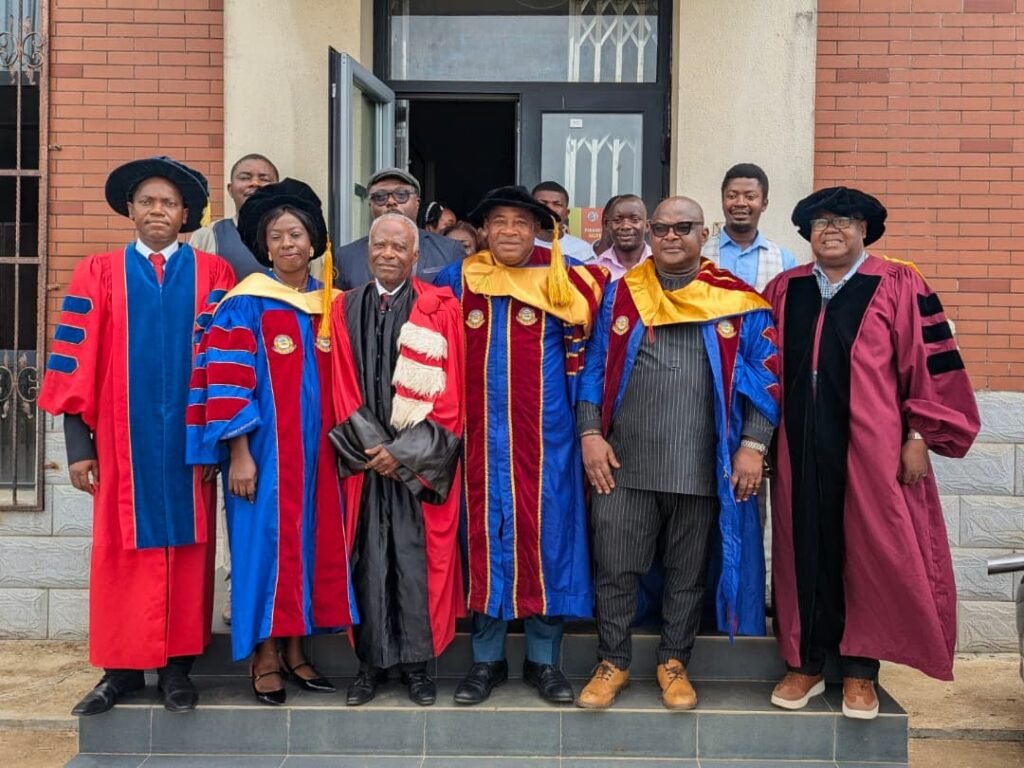
Dr Abah’s successful defence was chaired by Emeritus Professor Boyomo Charles Asala, alongside a panel of senior academics from the University of Buea’s JMC Department, and Faculty of Laws and Political Science.