
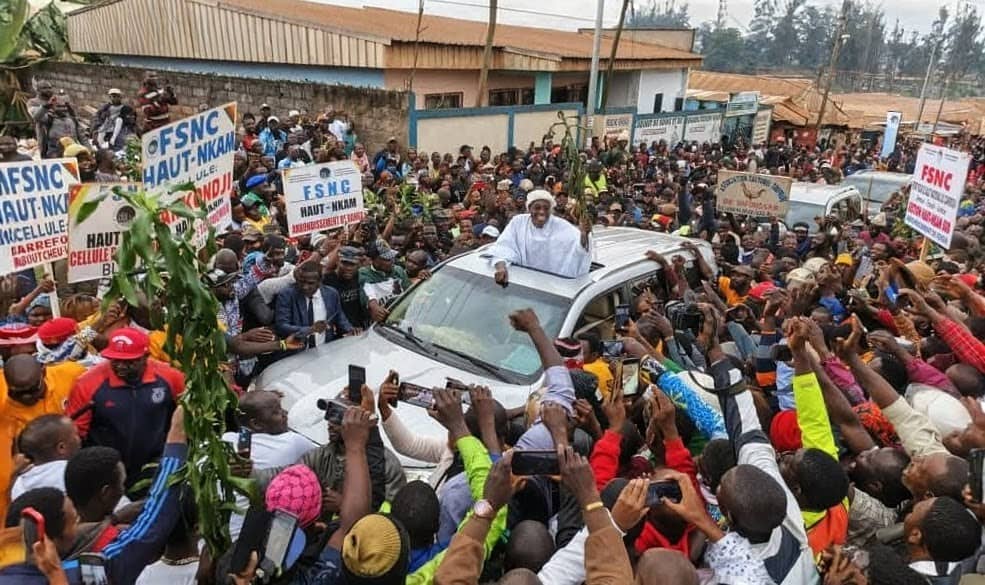
Cameroon’s 2025 presidential election may have concluded at the ballot box, but for many citizens, its consequences continue to unfold in fear, displacement and uncertainty.
While the government presented the election as another demonstration of democratic continuity, critics contend that the process further entrenched President Paul Biya’s more than four decades in power, leaving many Cameroonians convinced that meaningful political change through the ballot remains elusive. The election period was marked by heightened political tensions, allegations of intimidation and an increasingly restrictive environment for dissent.
Several opposition supporters and civil society activists reported facing pressure before and after the vote. The political fallout also extended beyond Cameroon, with one presidential contender eventually going into exile, while many other activists, journalists and ordinary citizens reportedly fled the country over fears for their safety.
Against this backdrop, rights advocates are urging the international community to look beyond the formal conclusion of the election and focus instead on what they describe as the continuing human cost of authoritarian rule.
The Human Face of Repression
Behind the political debate are deeply personal stories of suffering that continue to emerge from Cameroon.
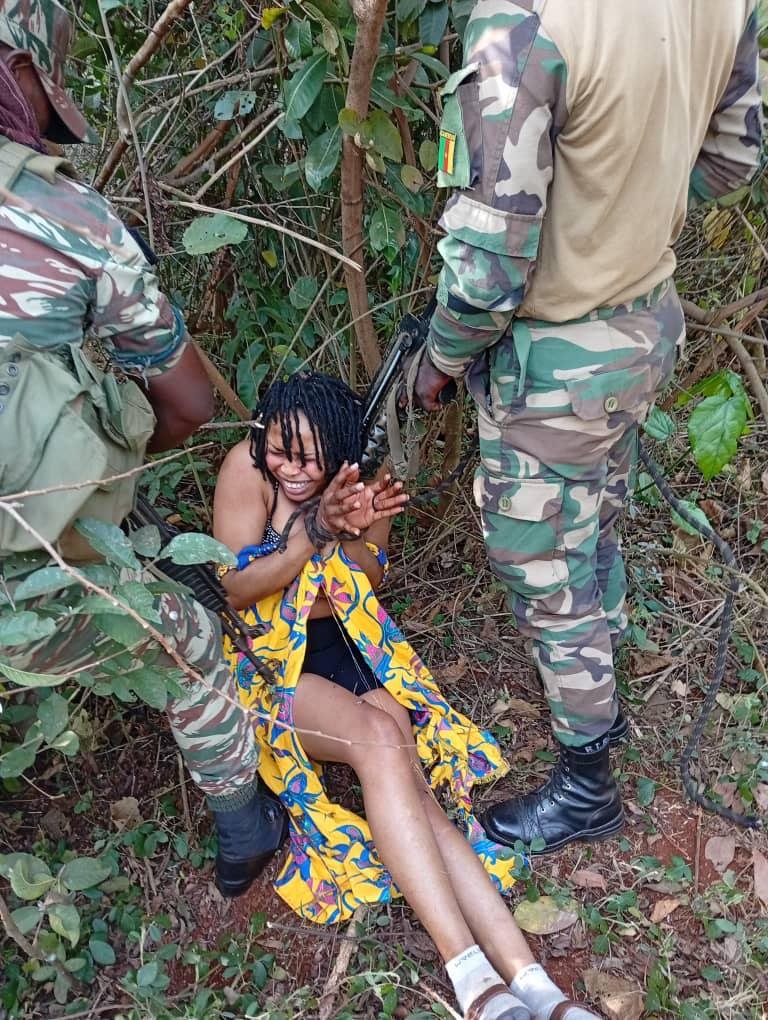
Among them is Jessica Angwi, whose ordeal has become emblematic of what critics describe as the state’s heavy-handed response to perceived dissent.
Angwi was allegedly subjected to severe abuse while detained at Bamenda Central Police Station before eventually fleeing the country to save her life. Human rights campaigners say her experience reflects a broader pattern of intimidation faced by individuals viewed as opposing the authorities.
Her story echoes those of others, including Mama Angwi, an elderly woman who also endured prolonged hardship, and Ana Tabe, who reportedly died after being tortured in detention. Their cases have become powerful symbols for activists calling for greater accountability from the authorities.
In Bamenda and other parts of the conflict-hit North-West and South-West regions, fear continues to dominate daily life. Families are still searching for missing relatives, while allegations of arbitrary arrests, enforced disappearances and prolonged detention persist amid limited independent investigations.
Diaspora Increasingly Wary of Returning Home
The post-election climate has also deepened anxieties among Cameroonians living abroad.
According to rights advocates, some members of the diaspora who travelled home to observe the election or reunite with relatives found themselves exposed to increased security scrutiny. They argue that an atmosphere of suspicion has made travel increasingly risky for citizens perceived to hold critical political views.
As a result, many Cameroonians overseas are now reluctant to return home, fearing arbitrary arrest, harassment or becoming caught up in the country’s broader security crisis.
Campaigners say this growing sense of insecurity is widening the divide between Cameroon and its diaspora, many of whom now believe they cannot safely visit their homeland.
Calls for International Attention
Rights groups argue that the aftermath of the 2025 election demonstrates that political stability cannot be measured solely by the completion of an electoral process.
They contend that the election has reinforced longstanding concerns over governance, civil liberties and accountability, while leaving many citizens feeling politically marginalised and vulnerable.
For these advocates, the international community should look beyond official election results and pay closer attention to allegations of human rights abuses, political repression and the humanitarian consequences of Cameroon’s prolonged political and security crises.