
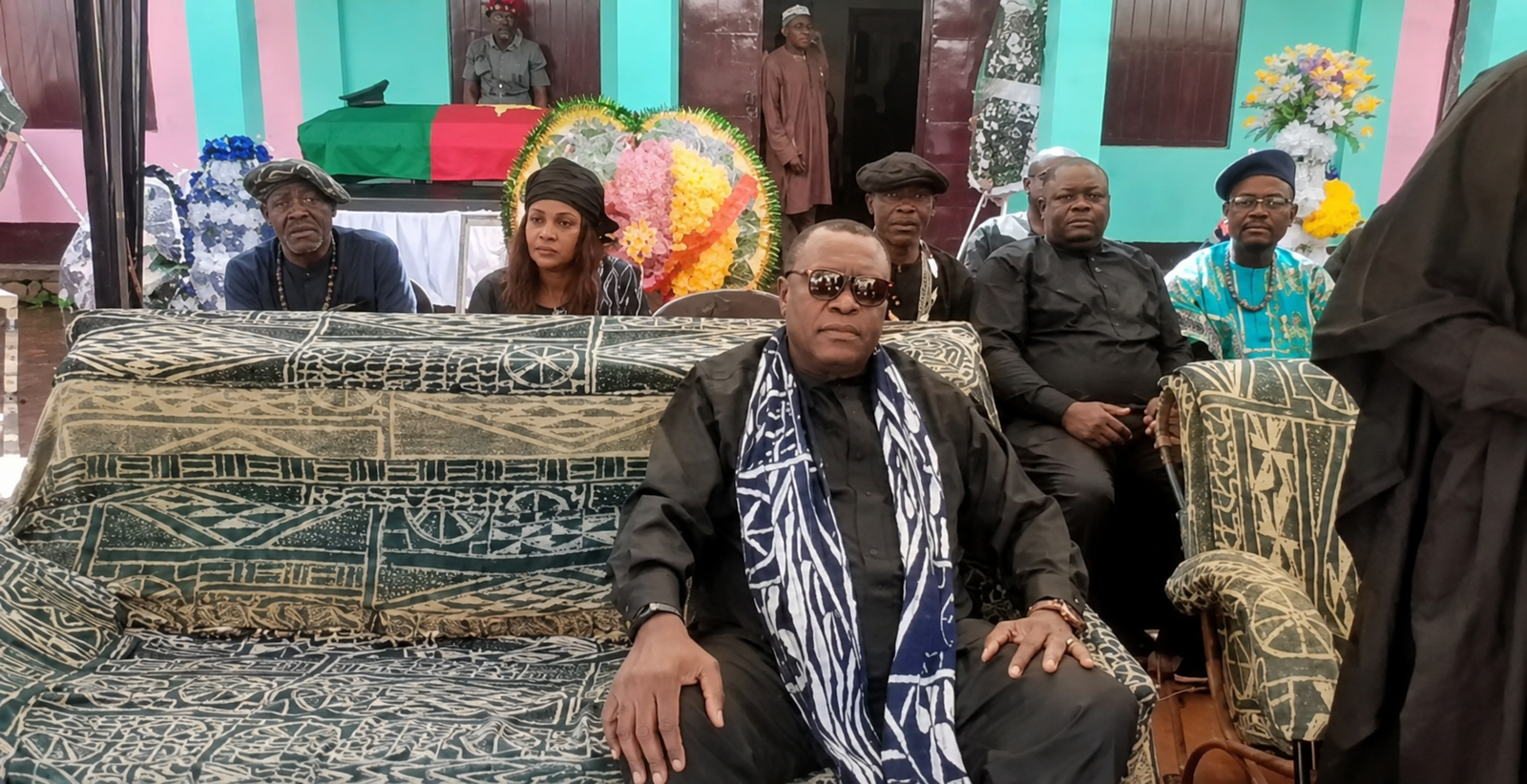
The death of Second Lieutenant Wamba Momo Kaïnol, son of Cameroon’s Minister Delegate to the Minister of Justice, Keeper of the Seals, Jean de Dieu Momo, has reignited public debate over the devastating human cost of the Anglophone conflict and the remarks made by the minister during the early years of the war.
For nearly a decade, the conflict in the North-West and South-West regions has claimed thousands of lives, displaced hundreds of thousands of people and left countless families grieving the loss of loved ones. Soldiers, separatist fighters and civilians alike have paid a heavy price as violence has continued despite repeated calls for dialogue and a lasting political solution.
Throughout the conflict, many victims and civil society groups have accused political leaders of failing to fully appreciate the scale of the humanitarian crisis. Among the statements that drew the strongest criticism was one attributed to Jean de Dieu Momo during the height of the conflict, when he remarked that the war would not stop him from drinking his “good white wine”. The comment quickly spread across social media and became, for many Anglophone Cameroonians, a symbol of what they perceived as official indifference to the suffering unfolding in the country’s English-speaking regions.
Years later, the conflict has struck the minister’s own family.
Second Lieutenant Wamba Momo Kaïnol, an officer in the Cameroon Armed Forces, was reportedly killed during an improvised explosive device (IED) attack on a military convoy in Wainamah, Bui Division of the North-West Region. Separatist fighters later claimed responsibility for the attack.
The young officer was laid to rest in Bafou, in the West Region, during a funeral attended by family members, senior government officials, military officers, political figures and other mourners who gathered to honour his service to the nation.
His death has prompted renewed discussion among Cameroonians, many of whom have reflected on how the conflict continues to affect families across social and political divides. For some, the tragedy serves as a reminder that the pain long endured by ordinary citizens in the North-West and South-West can eventually touch even those in positions of power. Others have called for empathy and restraint, arguing that personal bereavement should not become an occasion for political point-scoring.
Nearly ten years after the conflict began, the war continues to leave behind widows, orphans, bereaved parents and shattered communities. Thousands remain displaced, while insecurity continues to disrupt education, healthcare, agriculture and economic activity across large parts of the two regions.
The death of the minister’s son is, above all, another stark reminder of the indiscriminate nature of armed conflict. Whether civilian or soldier, rich or poor, influential or unknown, war rarely respects status or privilege. It continues to inflict profound human suffering and underscores the urgent need for renewed efforts towards a peaceful and lasting resolution of one of Cameroon’s deadliest crises since reunification.