
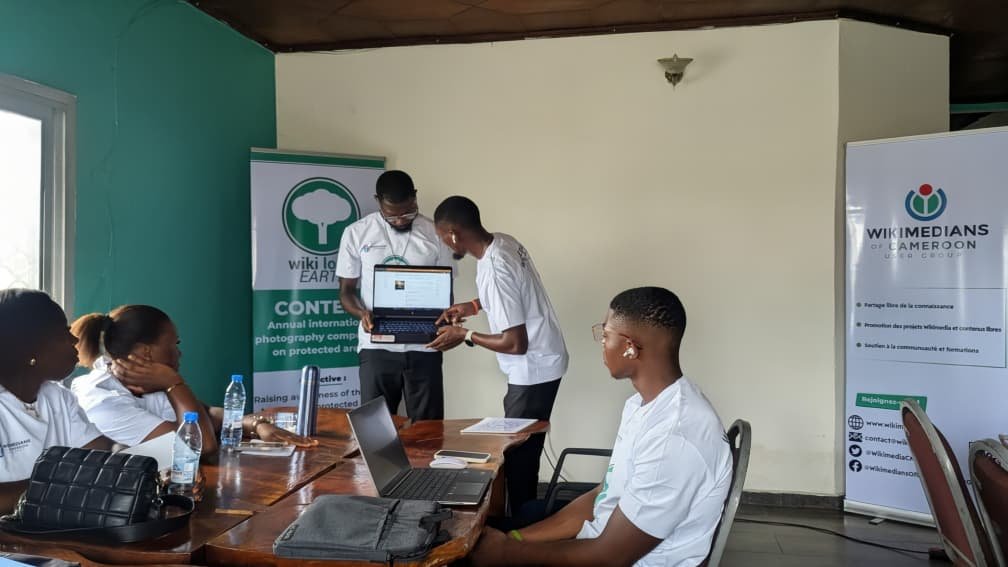
The Wikimedia User Group Cameroon has launched the 2026 edition of the Wiki Loves Earth photography competition, calling on Cameroonians to document and showcase the country’s rich natural heritage while promoting environmental conservation.
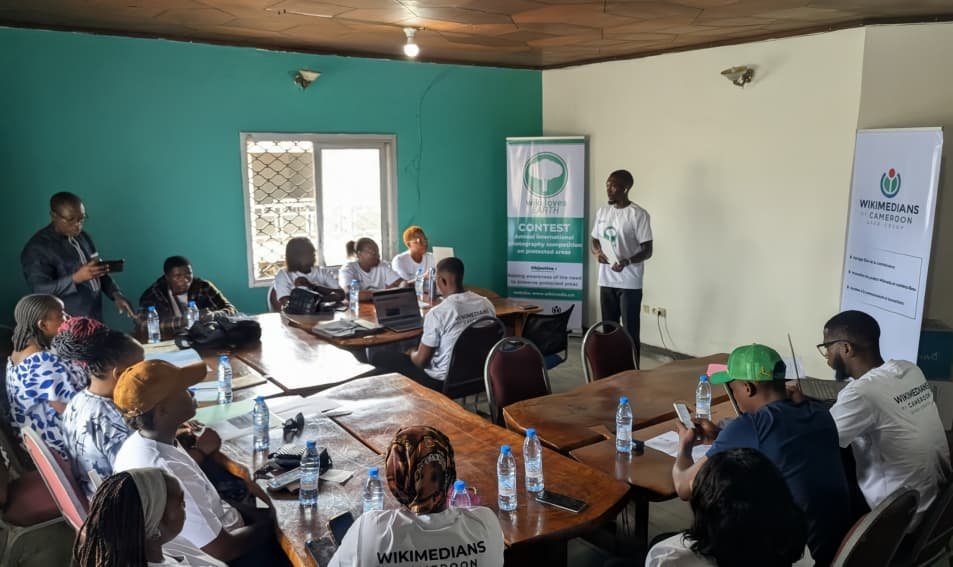
Speaking during the launch in Buea, the Southwest Coordinator of Wikimedia User Group Cameroon, Adeso Divine Mbaku, described the initiative as more than a photography contest.
“Wiki Loves Earth is an annual international photography competition that focuses on natural heritage, natural monuments and protected sites,” he said. “In Cameroon, the competition encourages the documentation of information and images related to protected areas such as Mount Cameroon, Korup National Park and other conservation sites across the country.”
The competition aims to make information about Cameroon’s protected areas more accessible to both local and international audiences while highlighting the country’s biodiversity. Participants are encouraged to photograph landscapes, wildlife, plants and natural monuments found within recognised protected sites.
According to Mbaku, the initiative comes at a time when Cameroon is facing growing environmental challenges, including deforestation and the decline of endangered species such as chimpanzees and gorillas.
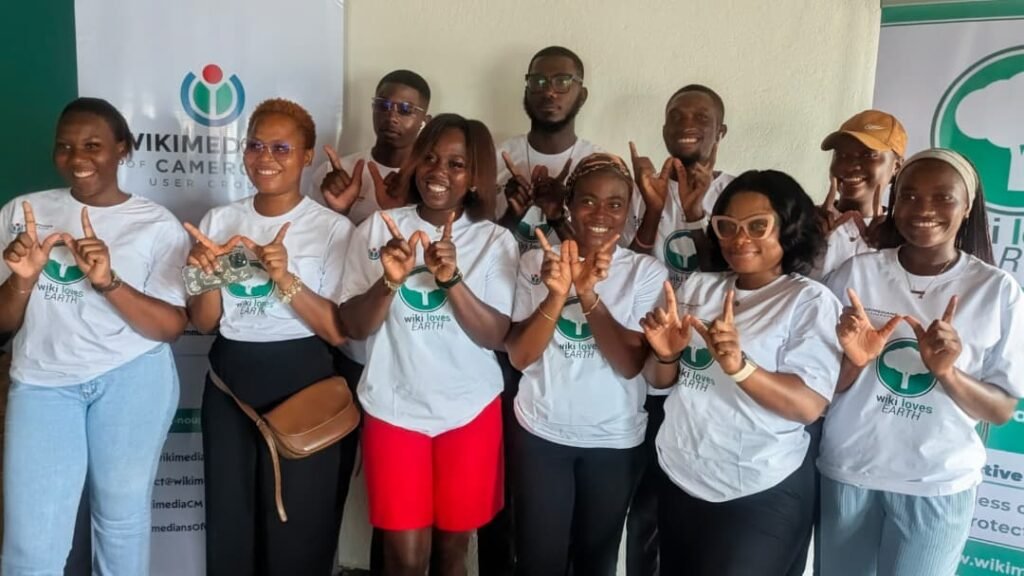
“Through this competition, we seek to showcase these sites to the rest of the world and highlight Cameroon’s contribution to the global fight against climate change and environmental degradation,” he said.
Open to both amateur and professional photographers, the competition also welcomes Wikimedia volunteers and members of the general public. Organisers hope the contest will encourage greater public awareness of the importance of protecting the country’s natural resources.
Several sites have been identified as potential subjects for participants, including Mount Cameroon, Korup National Park, Waza National Park, the Limbe Botanical Garden and other protected natural areas across the country.
The competition forms part of a global Wikimedia initiative that promotes protected natural areas through free-access knowledge platforms such as Wikipedia and Wikimedia Commons. The best photographs selected nationally will go on to represent Cameroon at the international level.
Entries will be judged on technical quality, originality, educational value and artistic merit. Winners will receive prizes, while outstanding contributors to Wikimedia content related to Cameroon’s protected sites will also be recognised.
The launch also highlighted the broader work of Wikimedia User Group Cameroon, which is part of the global Wikimedia movement dedicated to sharing free knowledge. The organisation runs various projects throughout the year aimed at encouraging people to contribute information through writing, photography, audio recordings and other forms of digital content.
Mbaku said membership is open to everyone.
“There are no age restrictions, career limitations or special requirements. All that is needed is an interest in contributing knowledge and sharing information with the world,” he noted.
To participate, individuals must create a Wikimedia Commons account and upload photographs of protected natural sites in Cameroon during the competition period. Entries can include images of national parks, wildlife reserves, forests, mountains, botanical gardens and other protected areas. Photographs must be uploaded within the competition window and accompanied by accurate information about the location and subject of the image.
As the competition gets underway, organisers hope it will not only produce compelling images of Cameroon’s natural treasures but also inspire greater commitment to environmental protection and the preservation of the country’s natural heritage for future generations.